CPO Software: What Charge Point Operators Need to Run a Scalable Network
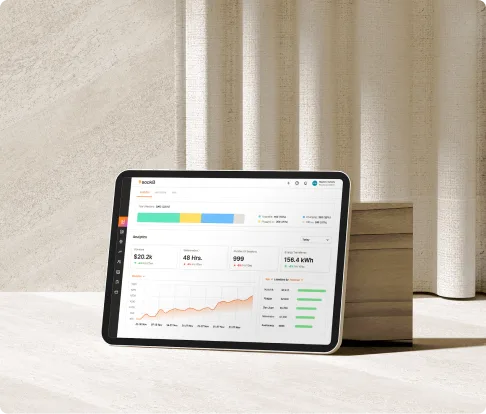
CPO software is the operating layer between chargers, drivers, tariffs, payments and the people supporting the network. A scalable system does not merely accept more charger connections. It gives the team consistent workflows and evidence as sites, hardware, customers and markets increase.
One network view across charger brands
Operators need a shared view of sites, chargers and connectors even when hardware comes from several manufacturers. For each model and firmware version, validate connection, authorisation, transaction, meter, availability and remote-command behaviour. Keep protocol diagnostics accessible so support can distinguish a device problem, a communications problem and a presentation problem.
Sessions, tariffs and finance must reconcile
A charge is simultaneously an operational session and a financial event. The software should retain the identifiers, timestamps, energy, duration, tariff inputs and payment references needed to explain the outcome. Site-owner settlement, taxes, invoices and gateway payouts vary by business model, so define the required reports before choosing a platform.
Driver access is part of operations
Public, workplace and fleet charging use different access journeys. A CPO may need QR or web charging, RFID, a branded app, contracted users or roaming partners. The platform should connect each authorisation method to the same charger and session evidence while preserving the appropriate roles and privacy boundaries.
Remote support should reduce uncertainty
Remote start, stop, unlock and reset controls are useful only when the operator can see the request, charger response and resulting state. Combine controls with alerts, event history and an escalation procedure. Set permissions for disruptive actions and preserve evidence before a reset changes the device state.
Plan integrations as operating contracts
Payment gateways, roaming platforms, maps, CRM, finance and support systems all introduce ownership boundaries. Document the system of record, identifiers, retry behaviour, failure alerts and reconciliation process for each integration. An API list is not a production integration plan.
What to test before scaling
Representative hardwareUse the models, firmware and security settings intended for the first production sites.
Complete journeysTest driver, operator, payment, finance and support outcomes from beginning to end.
Failure casesInclude unavailable chargers, dropped communications, rejected payments and late records.
Roles and reportingConfirm who can change tariffs, run commands, export data and investigate incidents.
Rollout gatesSet measurable acceptance criteria and stop conditions before onboarding the next group.
A Moldovan CPO provides one concrete example of the complete scope: a new white-label network with more than 150 chargers, remote controls, reporting, financial analytics, a branded customer app, customer-owned AWS hosting and a local payment integration. Use the case as a question set for your own operation, then validate the details that differ.